



Winter asks more of creative people than we sometimes admit. The light goes early, the studio or spare room feels colder than the thermostat suggests, and projects that felt effortless in September now need a running start. None of that means your practice has stalled. It usually means the conditions have changed. The sensible response is to change with them — not by forcing summer energy into a Tuesday in January, but by building a small, repeatable structure around light, warmth, company and work that fits the season.
Start With Light
Morning light is the one thing worth arranging your day around. If you can, get outdoors within an hour of waking, even for ten minutes on a grey morning. It's the outdoor light level that counts, not sunshine. If leaving the house first thing isn't realistic, open the curtains while you eat breakfast and move your desk, easel or sewing machine closer to the window. A chair pulled half a metre to the left can change a whole morning's mood.
Evenings need a different approach
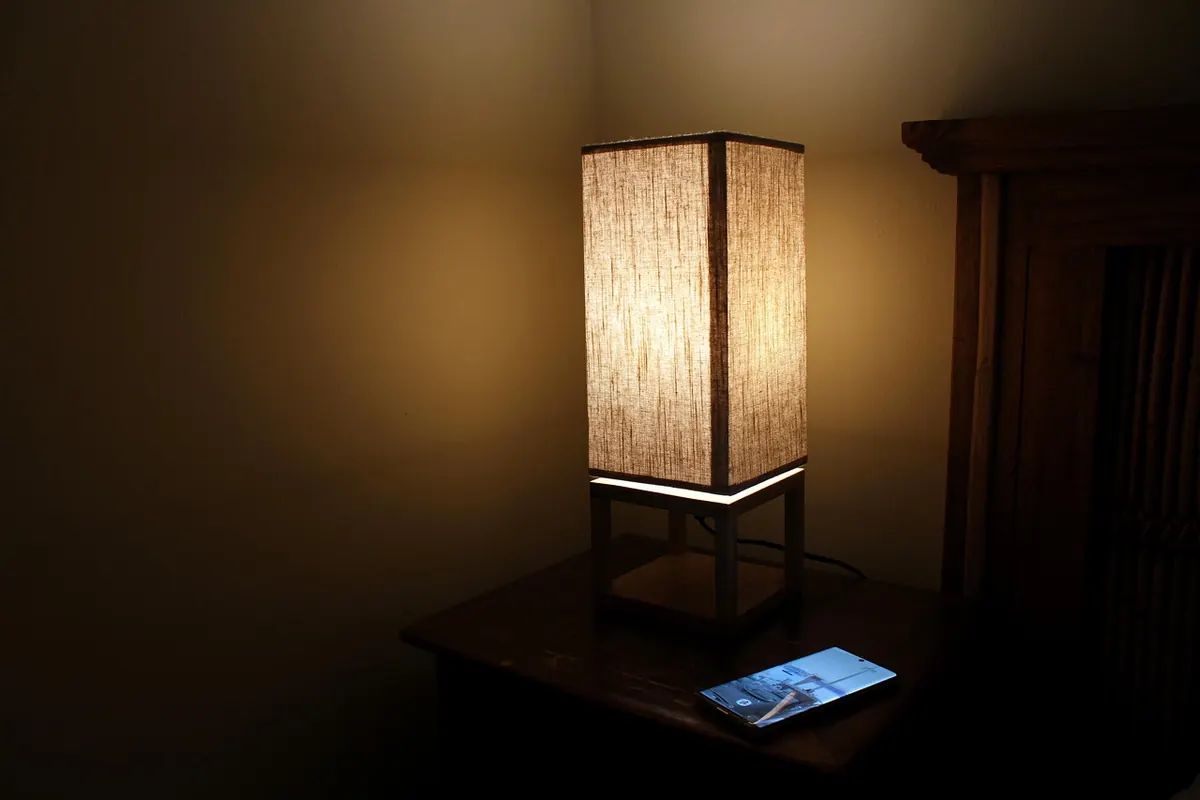
Bright overhead light late at night tells your body it's still afternoon. Switch to lamps rather than the ceiling light, choose warmer bulbs where you can, and lower screen brightness after dark. If you work in the evening, keep one small pool of light on the task and leave the rest of the room dim. It sounds fussy; in practice it makes winding down noticeably easier.
Warmth, Inside and Out
Being cold makes everything harder, and it's hardest on hands. If you draw, knit, throw pots or play an instrument, cold fingers will end a session before your ideas do. Fingerless gloves, a hot drink within reach and a warm surface to work on are not luxuries — they're part of the setup.
Keep a blanket on the chair you actually use, not the one you think you should use. Wool socks. A hot water bottle against your back while you read or write. Warm food that requires almost no decisions: soup in the freezer, porridge, beans on toast. In winter, a bit of physical comfort buys you the concentration to make things.
Keep Connection Low-Effort and Regular
Winter socialising fails when it's ambitious. The big dinner party gets postponed twice and then quietly abandoned, and by February you haven't spoken to anyone properly for weeks. Aim smaller and put it on repeat. A Tuesday evening phone call. A Saturday walk with one friend. A two-hour co-working session online, cameras on or off. A monthly café meet-up, booked in the calendar as a recurring event so nobody has to decide each time.
It also helps to say what you're working on, even badly. A short message to a friend — "I'm trying to finish this chapter and it's going slowly" — does more for momentum than a silent week of good intentions.
Work in Smaller Units
Long sessions are a summer habit. In winter, twenty minutes twice a week will keep a project alive far better than a four-hour push you dread and avoid. Keep something you can pick up in five minutes: a sketchbook on the arm of the sofa, a notebook by the kettle, a single file left open on the laptop.
It also helps to match the work to the season. Winter suits editing, sorting, reading, research, small studies and unfinished corners. Save the large canvases, the outdoor shoots and the ambitious installations for the brighter months. Batch ordinary decisions — what you'll eat, what you'll wear, which day you'll work on what — so the creative ones get the energy that's left.
Your Winter Wellbeing Checklist
Read it once, then choose three items. Not eight.
- Light: ten minutes outdoors before mid-morning; curtains open at breakfast; lamps rather than the ceiling light after dark.
- Warmth: socks, blanket, hot drink, warm hands for fine work.
- Connection: one recurring call or walk each week; tell one person what you're making.
- Rhythm: two short creative sessions a week, timed and named.
- Rest: protect one evening with nothing in it.
- Movement: a short walk after lunch, ideally while it's still light.
- Food: one easy warm meal you don't have to think about.
- Review: five minutes on Sunday to note what actually helped.
Making It Last Until Spring
Pick your three things and write them somewhere you'll see them — inside a cupboard door, at the top of a notebook, on the fridge. Put the recurring ones in your calendar now, while you're thinking about it, rather than promising yourself you'll remember.
Then review in three weeks. If two of your three are happening most weeks, that's a good winter. Adjust the third rather than abandoning the whole list; a checklist that shrinks is still working. Keep a line on what you've made, even if it's small — a page count, a photo, a note that you showed up.
Winter isn't a season for pushing harder. It's a season for keeping the thread unbroken.
If the darker months leave you feeling persistently low, sleeping badly or unable to enjoy things you normally like, that's worth mentioning to your GP. Seasonal dips are common, and there's proper help available for the ones that don't lift on their own.
Your work will still be there in March. Keep the lights on, keep a little warmth around the edges, and stay in touch with the people who remind you why you started.
Photo: Andrey_and_Olesya / Pixabay
Related posts
More stories you’ll love reading