



Mindful Living
How to Start a Five-Minute Morning Mindfulness Practice (Without an App)
September 10, 2026

How to Start a Five-Minute Morning Mindfulness Practice (Without an App)
Five minutes is not much. It is roughly the time it takes the kettle to boil, the toast to brown, the first message of the day to arrive. That is precisely why it works. A morning mindfulness practice built on five minutes is short enough that you will actually keep it, and long enough to change the temperature of the hours that follow.
It also does not need an app. Apps add steps: a download, an account, a notification, a subscription prompt, a blue light before your eyes have fully opened. None of that is evil, but none of it is mindfulness either. The practice you are about to build lives in your own body, your own breath, and the ordinary minutes you already have. All you need is a place to sit, a way to notice the time, and the willingness to begin again.
Why Five Minutes Is Enough
Mindfulness is not a performance. It is the simple act of paying attention to what is happening now, without immediately trying to fix it, judge it, or scroll past it. Five minutes gives you just enough space to interrupt the automatic rush from sleep to screen to stress. You are not trying to achieve a blank mind. You are trying to arrive in the one you already have.
The short duration also protects the habit. A twenty-minute practice can become a monument you feel guilty about ignoring. Five minutes is small enough to fit into almost any morning: before coffee, after brushing your teeth, while the dog is outside, or in the parked car before you walk into work. Consistency matters more than intensity. A tiny practice done most days will shape you more than a heroic practice done twice a month.
You do not need more time. You need a smaller doorway into the time you already have.
The Basic Five-Minute Framework
You can structure the five minutes in many ways, but a simple framework helps when you are half-awake. Think of it as five one-minute invitations. You do not need to be perfect at any of them.
- Minute 1: Arrive. Sit in a chair, on the edge of the bed, or on a cushion. Let your feet feel the floor. Let your hands rest wherever they land. Ask yourself, Where am I right now? Not philosophically. Literally. You are here, in a room, in a body, at the beginning of a day.
- Minute 2: Breathe. Notice one breath. Then another. You do not need to breathe deeply or perfectly. Just feel the inhale, the small turn, the exhale. If your mind wanders to the day's list, label it gently: thinking. Then return to the breath.
- Minute 3: Scan. Move your attention from your head to your shoulders, chest, belly, hands, legs, and feet. You are not looking for relaxation. You are looking for information. Is your jaw tight? Is your stomach clenched? Is your left foot cold? Simply notice.
- Minute 4: Name. Ask, What is here? Maybe it is tiredness. Maybe it is dread. Maybe it is a low hum of excitement. Name one or two things silently: tired, anxious, hopeful. Naming is not a cure. It is a way to stop fighting reality.
- Minute 5: Choose. Choose one intention for the next hour. Not for the whole day. Not for your life. Just the next hour. I will listen before I respond. I will drink water before coffee. I will do the hard thing first. Then let the timer end, or simply decide that five minutes have passed.
A Simple Script You Can Memorize
If lists make you tense, use a script instead. You can whisper it or think it. The words are less important than the rhythm.
- I am here.
- I am breathing.
- I notice what is true.
- I choose my next small step.
Repeat this cycle slowly for five minutes. If you lose count, begin again. Losing count is not failure; it is the practice. The moment you notice you have drifted is the moment you have woken up.
Three Variations for Real Mornings
If You Wake Up Late
Do not skip it. Shrink it. Take five slow breaths at the kitchen counter. Name three things you can see and two things you can hear. Set one intention for the commute. That is a complete practice. Five minutes is a container, not a rule. A one-minute practice done honestly is better than a five-minute practice done while mentally writing emails.
If You Wake Up Anxious
Anxiety wants you to solve the future before it arrives. Instead, put both feet flat on the floor and press down gently. Feel the ground pushing back. Breathe out for a count of four, then in for a count of four. With each exhale, silently say, This moment is enough. You are not trying to erase anxiety. You are giving it a seat so it does not drive the car.
If You Wake Up With Children, Noise, or Chaos
Your mindfulness practice can happen with eyes open. While pouring cereal, feel the weight of the carton. While tying shoes, notice the texture of the laces. While waiting for the kettle, listen to the water rise. You can also practice for thirty seconds in the bathroom with the door closed. The goal is not silence. The goal is presence inside whatever is happening.
How to Remember Without an App
Without notifications, you need external cues that belong to your real life. Choose one thing you already do every morning and attach the practice to it. This is sometimes called habit stacking.
- After brushing your teeth: sit on the edge of the bathtub for five minutes.
- While the coffee brews: stand still and breathe instead of checking your phone.
- After feeding the pet: pause at the window and scan your body.
- Before starting the car: place your hands on the wheel and take five slow breaths.
- After putting on your shoes: sit upright and name your intention for the first hour.
You can also leave a small physical cue: a smooth stone on the nightstand, a sticky note on the mirror, or a mug you only use for this practice. The cue does not need to be beautiful. It needs to be visible before your phone becomes visible.
Common Mistakes and How to Avoid Them
- Expecting a blank mind. Thoughts will come. That is what minds do. Your job is to notice and return, not to evict.
- Judging the quality of the session. A messy five minutes still counts. In fact, the messy ones often teach you more.
- Making it longer too soon. Stay at five minutes for at least two weeks. Let the habit become boring and reliable before you expand it.
- Using an app out of habit. If you truly enjoy one, fine. But do not let a screen become the gatekeeper of your own attention.
- Quitting after one missed day. Missing a day is data, not a verdict. The practice is not a streak. It is a return.
What to Do When You Miss a Day
You will miss a day. You may miss several. The most useful response is not guilt; it is a smaller restart. The next morning, do one minute. Sit down, feel your feet, take three breaths, and name one intention. That is enough to reopen the door. Mindfulness is not about never drifting. It is about how quickly and kindly you come back.
If you miss a week, do not try to make up for lost time. Five minutes is not a debt to repay. It is a place to return. Begin again exactly where you are, with the morning you actually have.
The Quiet Benefits Over Time
After a few days, you may notice nothing. After a few weeks, you may notice a small gap between a feeling and your reaction to it. That gap is the whole point. You might find that you reach for your phone less automatically. You might catch yourself before snapping at someone. You might remember to eat breakfast, or to pause before saying yes to something you do not want to do.
These changes are not dramatic. They are cumulative. Five minutes of morning mindfulness is like adding a pinch of salt to a large pot of soup. You cannot see it, but the whole flavor shifts. Over time, you become a little less reactive, a little more curious, and a little more available to your own life.
Making It Stick: A Seven-Day Experiment
Do not commit to this forever. Commit to seven mornings. That is a small enough promise to keep and a long enough trial to learn something.
- Day 1: Do the basic five-minute framework. Notice how it feels to sit still before the day starts.
- Day 2: Use the memorized script. See if fewer words make it easier.
- Day 3: Attach the practice to an existing habit, like brushing your teeth.
- Day 4: Practice with eyes open while the kettle boils. Count it as a win.
- Day 5: Focus only on the exhale. Let everything else be background noise.
- Day 6: Do it even if you feel rushed. Notice the urge to skip.
- Day 7: Ask yourself one question: What changed, even slightly? Write the answer on paper, not in an app.
At the end of seven days, you will have something no app can give you: your own evidence. You will know that you can create a moment of stillness without downloading anything, without logging in, and without waiting for the perfect morning. You will know that five minutes is not a compromise. It is a beginning.
Start small. Start where you are. Start with the next five minutes.
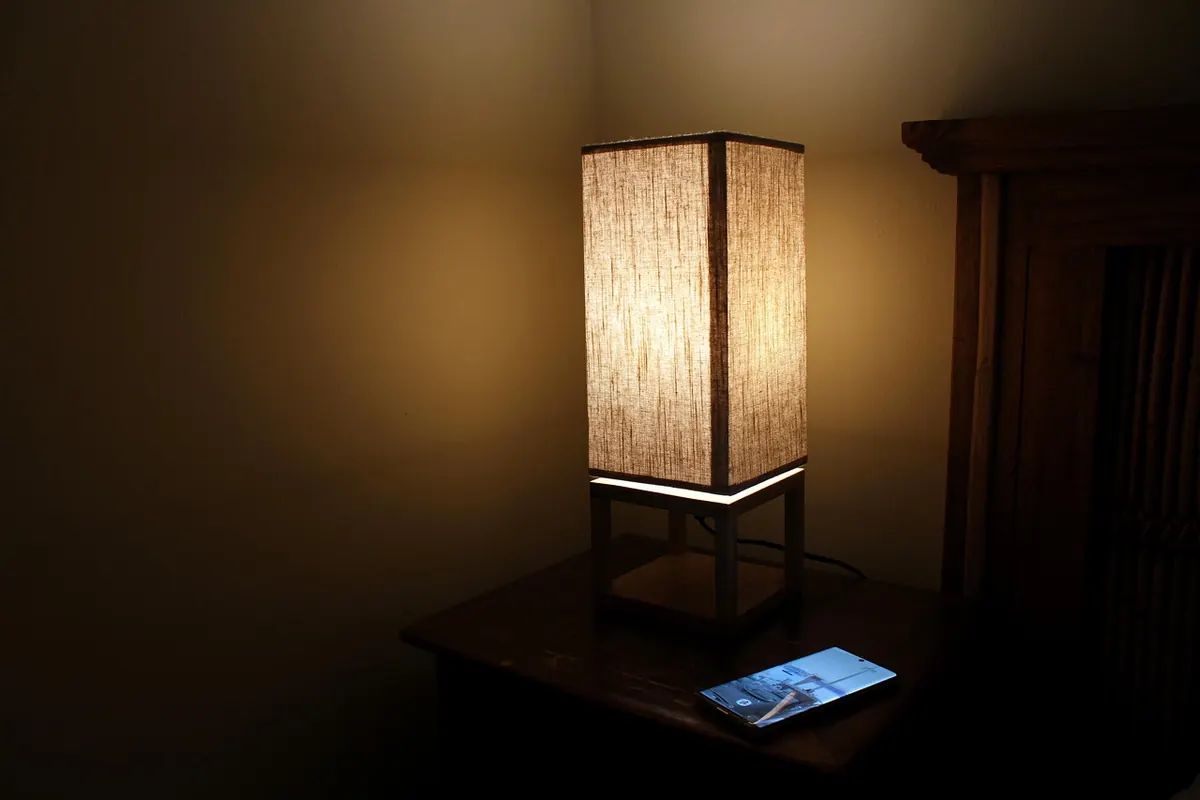
Photo: Engin_Akyurt / Pixabay
Related posts
More stories you’ll love reading